Every traveller has a place that reorganises them. The place they go back to, not in body but in the middle of meetings, in the gap between conversations, in the quiet before sleep. Mechuka, for me, is that place. A valley so unhurried that you eventually stop trying to fill the hours and simply let the hours be hours.
There is a particular kind of place that does not require you to do anything except arrive. No landmark to tick. No viewpoint marked on a map. No Instagram-famous shot that everyone goes looking for. Mechuka is this kind of place. You arrive, and the valley does the rest.
The Menchukha valley — its official name, though most people call it Mechuka — sits in the extreme western corner of Arunachal Pradesh, pressed up against the Chinese border in a way that gives the military outposts here a quiet intensity. The nearest town of consequence is Aalo, five hours and a world away on roads that have an opinion about who deserves to arrive.
Quick Facts

The Mechuka valley. Horses, pines, distant snow. The border you cannot see is somewhere close.
Prayer Flags at the Edge of India
The prayer flags here snap in the wind with a different urgency than prayer flags anywhere else I've seen them. Darjeeling's flags are decorative. Ladakh's are devotional. Mechuka's flags feel like signals — messages sent into a sky that goes directly to Tibet, that enormous absence on the other side of the ridgeline.
The Adi tribe that has lived in this valley for centuries has absorbed Buddhist influence from the north while retaining its own animist traditions — a synthesis that feels, in the valley's daily life, entirely organic. Prayer flags above a house whose roof is held down by river stones. A monastery beside a field of winter wheat. Sacred groves where the trees themselves are the temple.

Prayer flags above the Mechuka valley. The wind here carries things across borders.
The River That Holds Everything Together
The Siyom river runs through Mechuka valley the way rivers run through the best valleys — with complete indifference to the beauty it is contributing to. The water is glacial green in the mornings and silver-grey in the evenings. In spring it carries enough volume to fill the valley with a continuous low sound that you stop hearing after the first day and start missing on the second night back in the city.
I sat on the bank one afternoon and watched a family of three cross a narrow wooden bridge upstream, the youngest child running ahead without looking at the water below, fearless in the way that children from river valleys are fearless. The parents did not call out. The child knew where she was going. Some landscapes produce this kind of belonging. Mechuka is one of them.
"Mechuka is the answer to a question you didn't know you were asking. You arrive not knowing what you came for. You leave knowing exactly what you found."
Menchukha Valley, West Siang, Arunachal Pradesh
The Siyom river from the valley. Glacial green. Continuously, beautifully indifferent.
What the Valley Keeps
No phone signal. This is not an inconvenience in Mechuka — it is a feature. The silence that opens up in the absence of notification sounds is the same silence the valley has maintained for centuries. You relearn how to be bored, and in the boredom discover that you are not bored at all. You are paying attention for the first time in months.
The market in Mechuka town is small enough to walk end to end in four minutes. The guesthouses are run by families who cook whatever they have and apologise for nothing. The army presence — inevitable this close to the border — adds an odd counterpoint to the valley's serenity. Young soldiers from Tamil Nadu and Uttar Pradesh, standing guard at the edge of a landscape that does not look like anywhere they come from.

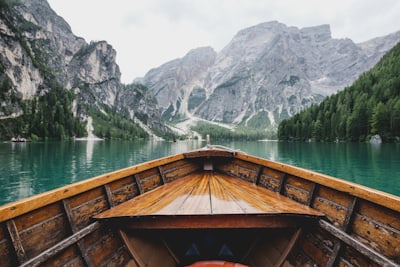
The valley at eye level. The river, the settlement, the endless pines.

Sitting with it. Some views you just inhabit rather than photograph.
I left Mechuka after four days. The road back to Aalo — those same five hours, those same rivers to cross — felt shorter. Roads feel shorter when you are leaving somewhere good. Your body is already half there and half where you are going, and the distance splits the difference.
But Mechuka stays. In the specific blue of glacial water. In the sound of flags. In the knowledge that there are still valleys in India that have not yet decided to become destinations.
Mechuka — Getting There & Back
- RouteDibrugarh/Jorhat → Pasighat → Aalo (Along) → Mechuka
- Aalo to Mechuka140km - 5–7 hours - Road conditions vary
- PermitInner Line Permit required - arunachalilp.com - Apply 2 weeks ahead
- Best timeOctober–April - Avoid monsoon (June–September)
- StayAPTDC Tourist Lodge + local homestays - ₹600–₹1,500/night
- SignalNone beyond Aalo - Download offline maps (Maps.me)
- CashNo ATMs in Mechuka - Carry enough from Aalo or Jorhat
- PackThermal layers (cold year-round) - Rain jacket - Emergency supplies
Budget Breakdown
Approximate costs per person per day in INR
| Tier | Stay | Food | Transport | Total/day |
|---|---|---|---|---|
| Backpacker | ₹400–800 (homestay) | ₹150–300 | ₹500 (shared sumo) | ₹1,050–1,600 |
| Mid-range | ₹800–1,500 | ₹300–500 | ₹800 | ₹1,900–2,800 |
| Comfort | ₹1,500–2,500 (APTDC lodge) | ₹500–800 | ₹1,500 (private cab) | ₹3,500–4,800 |
Getting There — Routes
- 1Dibrugarh → Pasighat (drive 4hr or fly) → Aalo/Along (3hr) → Mechuka (5–7hr, 140km)
- 2Jorhat → Pasighat → Aalo → Mechuka (full day drive)
- 3Itanagar → North Lakhimpur → Pasighat → Aalo → Mechuka
⚠ Emergency Information
Frequently Asked Questions
Everything you need to know before you go
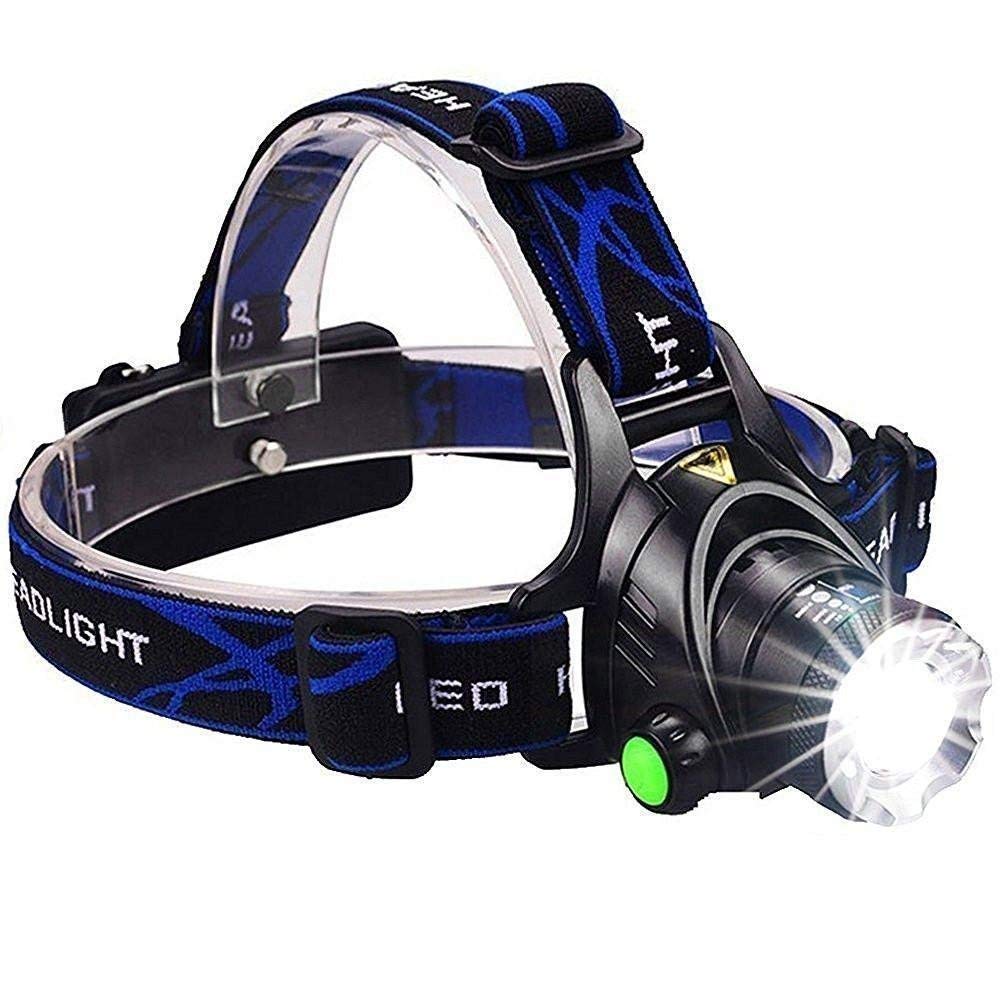
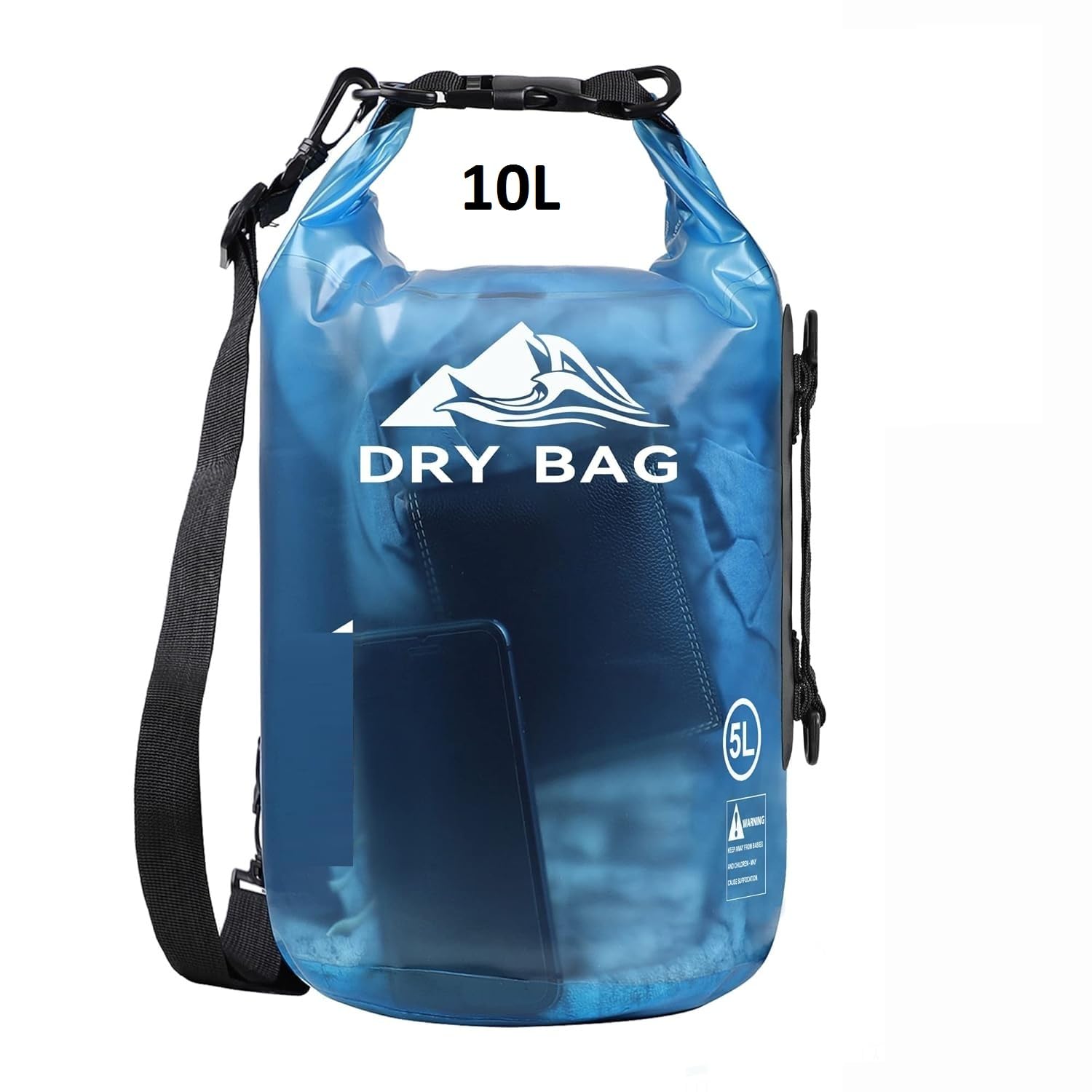
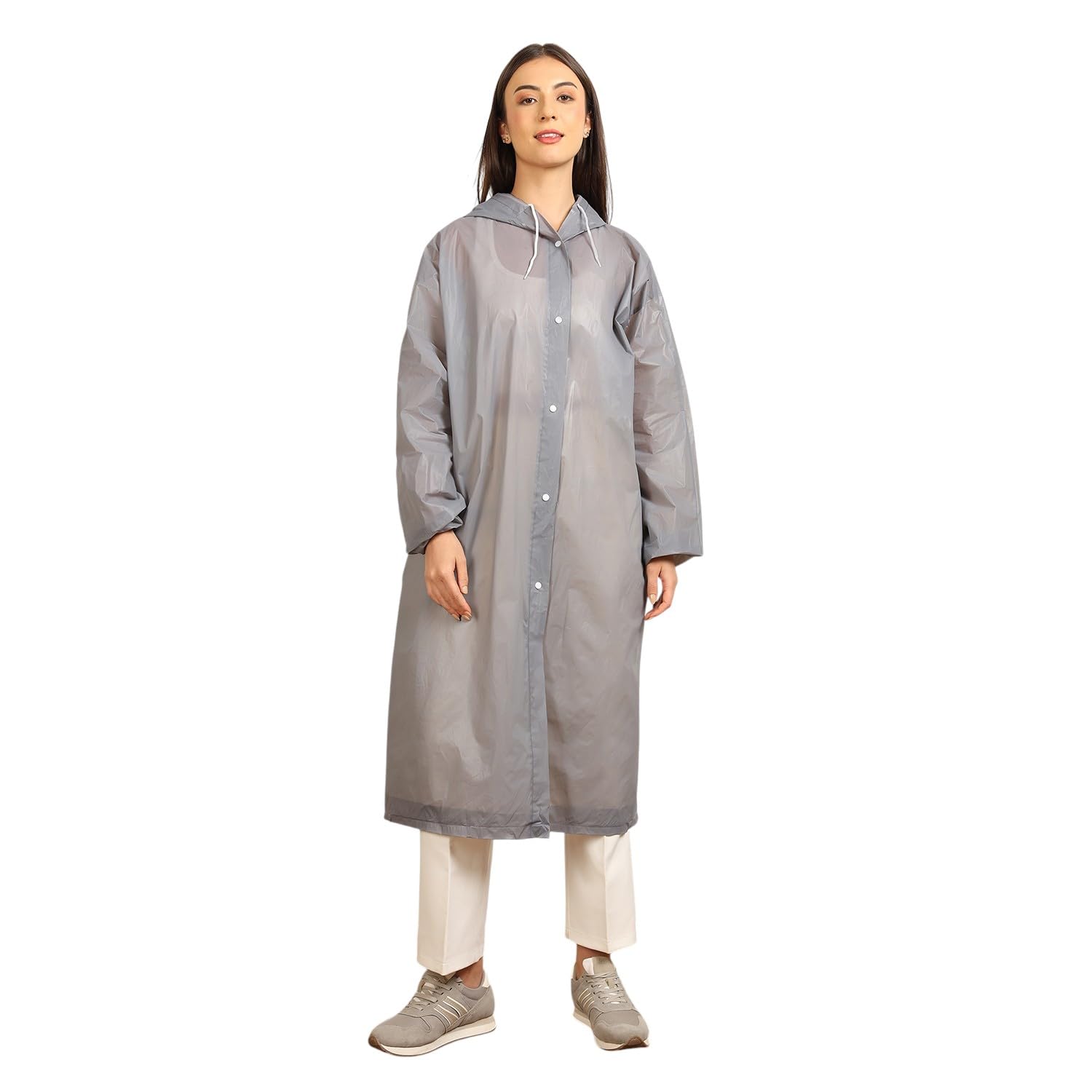
Gear Used on This Trip
Tested on these roads. Ships across India. Free above ₹999.
Browse All Travel Gear →