The best motorcycle journeys are never about the destination you planned to reach. They are about the twenty kilometres between the planned destination and the actual destination — the stretch where the road made a decision and you followed it, and forty minutes later you were somewhere that didn't have a name on any map you had, looking at something that justified every wrong turn it took to find it.
The motorcycle route from Shillong to Mawlynnong, then down to Dawki and back up through the East Khasi Hills, is not famous. Travel magazines don't write it up. There's no "Top 10 Meghalaya Rides" list that describes it accurately. This is because the route is not about destinations — it's about the hour between destinations, which is the hour most travel writing forgets to describe.
I rode it in early March, before the monsoon had even thought about arriving. The roads were dry and twisting and occasionally terrifying and the light had the quality of light in a place that receives more rain than anywhere else on earth — luminous, watery, perpetually suggesting that it might do this again soon.
Quick Facts

Somewhere on the Meghalaya plateau. The roads here are written in cursive.
The Khasi Hills in March
March in the Khasi Hills is the month before the monsoon changes everything. The landscape is still dry in places — golden grass on the plateau, brown earth on the exposed hillsides — but the forest is dense enough to hold its own moisture, and every valley has a river running through it. You ride through microclimates. A dry plateau, then a descent into mist, then out into sunlight, then another descent.
We were two riders — a friend who had done this route before and was therefore calm, and me, who had not and was therefore either excited or anxious and couldn't tell the difference. The Royal Enfield handles these roads with appropriate ceremony. It is a heavy bike for heavy scenery.

Two of us. One route. The Khasi Hills had made their opinion known about the weather.

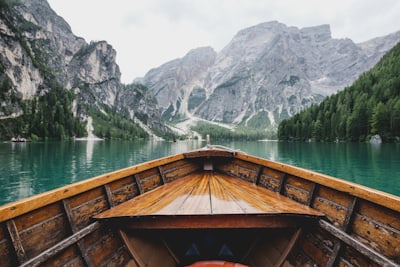
The reservoir above Mawlynnong. Not on any map I had. Worth every wrong turn it took to find it.
Mawlynnong and the Question It Asks
Mawlynnong — Asia's cleanest village — is not clean in the way of a show home. It is clean in the way of a place where cleanliness is identity rather than effort. The bamboo dustbins are real and used. The roads are swept not for the tourists but for themselves. The gardens grow things with the confidence of gardens that expect to be seen.
The question Mawlynnong asks — quietly, by example, not in words — is: why doesn't everywhere look like this? It is not a rhetorical question. The village has an actual answer. The answer is community. The answer is pride. The answer is that these things are the same thing, and that both require daily practice, and that the practice has been going on long enough to have become effortless.

The landscape around Mawlynnong. Meghalaya keeps making this kind of thing look easy.
"The cleanest village in Asia is clean not because it tries. It's clean because it decided, a long time ago, that this is who it is. Identity, not discipline."
Mawlynnong, East Khasi Hills, MeghalayaTea in a Forgotten Valley
We found the reservoir by accident — a wrong turn that continued being wrong for eight kilometres before revealing itself to have been right all along. A pale green body of water, completely still, surrounded by dry grass and occasional pines. No one else there. A dog appeared from somewhere and evaluated us briefly before deciding we were acceptable.
My friend produced a thermos of tea from his panniers. The tea was lukewarm and slightly metallic from the thermos. It was the best tea I have had in years. This is what happens to the quality of things in the right context — they become exactly what they are.

Tea at the edge of a reservoir we found by getting lost. This is the correct way to find reservoirs.

The dog who appeared from nowhere and approved of our presence. A good judge of character.
We rode out as the afternoon light thickened into the kind of gold that only happens for twenty minutes. The road back to Shillong went through the same hills we had come through, but differently — the same scenes in reverse feel like different places, which is the great trick of motorcycle travel. Every road is two roads. The one you ride in. The one you ride out.
Meghalaya Road Trip — The Practical Things
- BaseShillong - Flights from Kolkata/Guwahati - Drive from Guwahati 3hrs
- RouteShillong → Mawlynnong → Dawki → back via East Khasi Hills
- Bike rentalShillong - Royal Enfield ₹1,200–1,800/day - Book ahead in season
- Mawlynnong90km from Shillong - Entry ₹10 - Canopy walk ₹25 extra
- Dawki10km from Mawlynnong - Umngot river boating ₹200–400
- Best timeOctober–May - March perfect for clear roads before monsoon
- Road qualityGenerally good - Some stretches rough after Sohra/Cherrapunji
- PackRain gear always - Helmet - Warm layer for evening - Enough cash
Budget Breakdown
Approximate costs per person per day in INR
| Tier | Stay | Food | Bike rental | Total/day |
|---|---|---|---|---|
| Backpacker | ₹800–1,200 (homestay) | ₹200–350 | ₹1,200 (RE) | ₹2,200–2,750 |
| Mid-range | ₹1,500–2,500 | ₹400–700 | ₹1,500 | ₹3,400–4,700 |
| Comfort | ₹3,000–5,000 | ₹700–1,200 | ₹2,500 (cab) | ₹6,200–8,700 |
Getting There — Routes
- 1Guwahati → Shillong (3hr drive / NH6) → Mawlynnong (90km, 2.5hr)
- 2Shillong → Pynursla → Mawlynnong → Dawki (10km) → return via Sohra
- 3Shillong → Cherrapunji (54km) → Mawsynram → Mawlynnong loop (full day)
⚠ Emergency Information
Frequently Asked Questions
Everything you need to know before you go
Gear Used on This Trip
Tested on these roads. Ships across India. Free above ₹999.
Browse All Travel Gear →