There is a specific quality to the silence at 5,000 metres that does not exist anywhere else. It is not the absence of sound — wind this high is loud, constant, deliberate. It is the absence of human noise. No traffic. No construction. No ambient conversation. Just the wind, the engine when you are moving, and between the two — something that feels like the world before it got complicated.
Quick Facts
The Manali-Leh highway does not ease you in. It begins climbing immediately — out of Manali at 2,050 metres, up through Rohtang, and then for two days it does not stop. By the time you are on the high plateau, the air is thin enough that every movement requires deliberate thought. Breathe. Shift. Lean. The Royal Enfield labours. You let it. You are both working at altitude.
I had taken this route before in a car. This time I was on the bike, which means I was in the weather, inside the dust, part of the road rather than insulated from it. The distinction is not subtle. You feel every gradient. Every kilometre of descent is a kilometre earned.

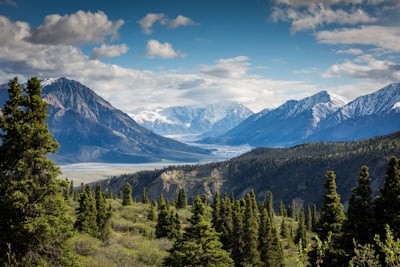
The Manali-Leh highway somewhere before Sarchu. The road goes straight until the mountains decide otherwise.
The Pass and the Prayer Flags
Every high pass on the Manali-Leh route has a character. Rohtang is chaotic — tourist jeeps, horses, snow selfies, the smell of instant noodles from temporary stalls. Baralacha La is serious — 4,890 metres, no concessions, just scree and altitude and a sign you photograph because it proves something. Tanglang La, at 5,328 metres, is quiet in a way that feels earned.
At the passes there are always prayer flags. Hundreds of them, strung between poles, bleached by UV and wind into pale versions of their original colours. The flags at altitude move differently from flags at sea level — the wind here has actual intention, it does not merely suggest movement, it insists on it. Standing in it you feel the specific weight of air in motion at high altitude. It is not refreshing. It is sobering.

At one of the passes on the Manali-Leh route. The prayer flags have been here long before I arrived and will be here after I leave.
"At 5,000 metres the sky is a different colour. Not darker, not lighter. Just more itself. Like it has stopped pretending to be anything other than the edge of the atmosphere."
Somewhere above Baralacha La — Himachal PradeshCrossing Water on Two Wheels
The river crossings on the Manali-Leh highway are not on most maps. They appear when snowmelt overruns the road, or when a bridge has washed out, or simply when the route goes through a riverbed because there is no other way. The water is glacial — somewhere between four and eight degrees, depending on the time of day. At noon, when the sun has been on the snowfields for hours, it rises. By 2pm some crossings are impassable.
I crossed three rivers on the second day. The first time your boots fill with glacial water, your body's instinct is to stop. You continue anyway. The engine note changes in the water — a lower register, a more careful sound. The bike is aware that something is different. You are both paying attention in the same way. This shared attention is one of the things I love about motorcycle travel: the machine and the rider become, briefly, the same problem solving the same challenge.

A river crossing somewhere on the route. The water was colder than the air. The bike did not complain.
Camps at the Mountain Base
Between Sarchu and Pang there are tent camps — a series of temporary settlements that exist for the brief months the highway is open and vanish completely in winter. The white canvas tents against the brown-red mountains have a specific quality: they look impermanent in exactly the right way. Like they know what they are. Temporary shelter in an inhospitable place, doing their job without pretending to be more than that.
I stayed two nights in these camps. The first night the temperature dropped to minus three. The sleeping bag was rated to zero. I slept badly and woke feeling, against all reason, completely content. There is something that happens when basic needs are the only concerns — warmth, food, rest — that simplifies the internal weather considerably.


The Moon Over the Dhaba
This is the photograph I think about most. Not the lake, not the pass, not the highway shot. This one: a cluster of tin-roofed dhabas at the edge of a road, lit from within by warm light, the mountain behind them going dark blue with the end of day, and above the mountain's jagged peak — the moon, rising, enormous, impossibly bright.
I had stopped to refuel, or to eat, I no longer remember which. I was outside and turned around and there it was. The moon over the mountain over the dhaba where someone was making tea. I took the photograph quickly, knowing it would not capture what I was seeing, taking it anyway. This is the correct response to the best moments: inadequate documentation, because the alternative is no documentation at all.

Moonrise over a dhaba camp in Ladakh. Some photographs know they are not enough.
The Mountain Lake
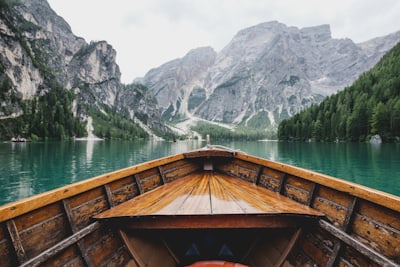
The lake appeared without warning, as the best things in Ladakh do. A turn in the road, and then — water, perfectly still, green-blue, held in a bowl of ochre rock with the mountains behind it and a small inflatable raft tied at the shore that made no sense and made complete sense simultaneously. I stopped and walked to the edge and stood there for a while, helmet in hand.
A man standing at a mountain lake in Ladakh looking at the mountains. This is not a unique scene — it happens ten thousand times a day throughout the travel season. But each instance of it is specific and private. The specific quality of light that afternoon. The specific temperature. The specific fact of having ridden two days to get here. The same view is a different view for every person who stands in front of it.

An unnamed lake on the Leh route. The man looking at the mountains is the same posture every traveller eventually finds themselves in.
The Road Back Into Green
The descent from Leh back toward the tree line is one of the stranger experiences of the journey. You have spent days in a landscape of brown and grey and blue — the specific colours of high-altitude desert — and then, gradually, green begins. First as scrub. Then as bushes. Then as actual trees, pine trees, lining the road like they have been waiting.
I stopped on a pine-lined stretch somewhere below Manali and sat on the bike for a few minutes and looked at the trees. After days in the treeless Leh landscape, a pine forest feels almost theatrical. Too much colour. Too much softness. Too much life all at once. It takes a moment to readjust.

Back in the pines, somewhere below Manali. After days above the tree line, green looks like a different language.
Leh Ladakh is one of those places that changes the proportion of things. After it, other roads feel smaller. Other skies feel lower. Other silences feel less silent. This is not nostalgia and it is not comparison — it is recalibration. The mountains set a standard for what space and stillness can be, and the standard stays with you. It does not diminish the rest. It sharpens it.
Leh Ladakh — Planning Your Ride
- RouteManali to Leh via NH3 (479km, 2 riding days) or Srinagar to Leh (434km)
- Best timeJune to September (highway open) — September is best: fewer tourists, passes clear
- Bike rentalRoyal Enfield from Manali or Leh — Rs.1,200 to Rs.2,000 per day — book ahead
- PermitsInner Line Permit for Pangong, Nubra, Tso Moriri — get at DC office in Leh (free)
- AltitudeLeh: 3,524m — highest pass (Khardung La or Tanglang La): 5,300m+ — acclimatise 2 days
- River crossingsCross before noon — glacial melt peaks in afternoon — check conditions locally
- Tent campsSarchu, Pang, Rumtse — Rs.400-800 per night including dinner/breakfast
- Pack essentialsDiamox (altitude sickness) — thermals — sunscreen SPF50+ — offline maps — cash
Budget Breakdown
Approximate costs per person per day in INR
| Tier | Stay | Food | Bike rental | Fuel | Total/day |
|---|---|---|---|---|---|
| Backpacker | ₹600–1,200 (tent camp/guesthouse) | ₹200–400 | ₹1,200/day | ₹300–500/day | ₹2,300–3,300 |
| Mid-range | ₹1,500–3,000 | ₹400–800 | ₹1,800/day | ₹400/day | ₹4,100–6,000 |
| Comfort | ₹3,000–7,000 (luxury camps) | ₹800–1,500 | ₹4,000/day | ₹7,800–12,500 |
Getting There — Routes
- 1Manali → Rohtang Pass → Keylong → Baralacha La → Sarchu → Pang → Tanglang La → Leh (2 days, 479km)
- 2Srinagar → Kargil → Lamayuru → Leh (1–2 days, 434km, alternate route)
- 3Leh → Khardung La → Nubra Valley → Pangong Tso → Leh (3-day circuit)
- 4Leh → Tso Moriri (2-day loop via Chumathang)
⚠ Emergency Information
Frequently Asked Questions
Everything you need to know before you go
Gear Used on This Trip
Tested on these roads. Ships across India. Free above ₹999.
Browse All Travel Gear →